Decoding Camera Resolution & Night Vision
Deconstructing pixel density, 4K sensor sizes, and the practical differences between infrared (IR) illumination and full-color starlight sensors for low-light environments.
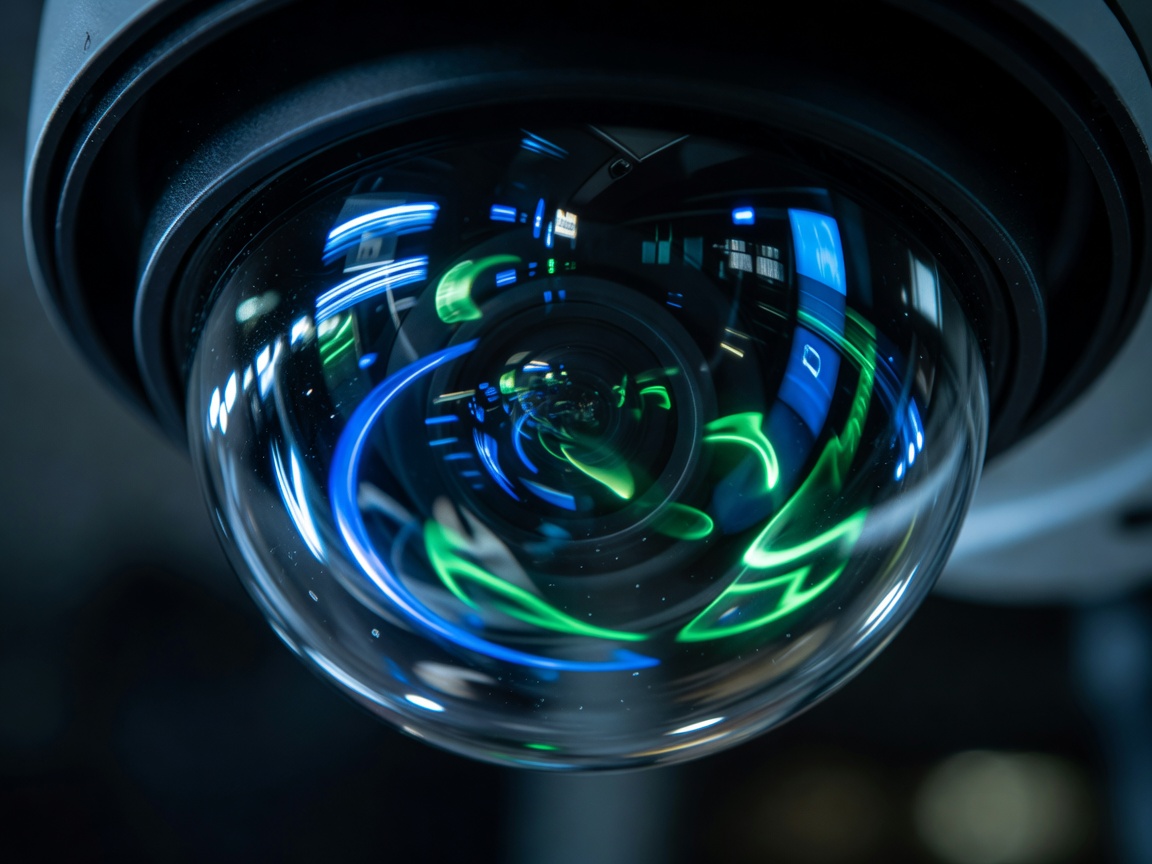
In the realm of physical security, visual clarity is paramount. A security feed is only valuable if it provides actionable intelligence—the ability to discern a license plate number, recognize facial features, or identify clothing details. Achieving this requires a precise balance between image resolution, sensor size, and low-light optical technology.
Marketing materials often emphasize "megapixels," but resolution is just one factor in a complex optical equation. This guide breaks down how resolution impacts identification ranges and explores the modern technology making nocturnal surveillance more effective than ever.
The Resolution Hierarchy
Resolution refers to the number of individual pixels that make up the video frame. More pixels mean more detail can be captured, allowing you to digitally zoom into an image without it immediately degrading into a blurred mosaic.
- 1080p (2 Megapixel): The historical standard. While sufficient for general monitoring of small interior rooms, 1080p lacks the pixel density required to identify faces or license plates beyond roughly 20 to 25 feet.
- 2K / 1440p (4 Megapixel): The current sweet spot for consumer and prosumer systems. It offers twice the detail of 1080p, effectively extending the identification range up to 40 feet without imposing unmanageable demands on network bandwidth and storage capacity.
- 4K / 2160p (8 Megapixel): The premium standard. 4K delivers exceptional clarity, allowing for substantial digital zoom. However, it requires significantly more storage space and robust network infrastructure to handle the heavy video bitrates.
The Crucial Role of Sensor Size
An often-ignored specification is the physical size of the CMOS image sensor. Stuffing 8 million pixels (4K) onto a tiny 1/3-inch sensor results in very small individual pixels. Small pixels capture less light, resulting in noisy, grainy video in dark environments. Conversely, a larger sensor (e.g., 1/1.8-inch or larger) paired with the same 4K resolution provides much larger pixels, drastically improving low-light performance and dynamic range. A 4K camera with a small sensor will often perform worse at night than a 2K camera with a large sensor.
Mastering the Dark: Night Vision Technologies
Most security incidents occur after sunset. To combat the dark, cameras employ specific technologies to illuminate the scene.
Traditional Infrared (IR) Night Vision
Standard night vision relies on infrared LEDs that ring the camera lens. These LEDs flood the viewing area with IR light, which is invisible to the human eye but clearly visible to the camera's sensor. The resulting video is always monochromatic (black and white).
Pros: Extremely reliable in absolute total darkness. Long range capability (often 100+ feet). Very cost-effective.
Cons: Cannot capture color details (e.g., "the suspect wore a red jacket"). Subject to "IR wash-out," where a subject's face reflects too much IR light and appears completely white if they step too close to the lens. Susceptible to attracting spiders and insects, which can trigger false motion alerts.
Color Night Vision (Starlight Sensors)
Advanced cameras utilize ultra-sensitive image sensors (often marketed as "Starlight" technology) combined with large aperture lenses (f/1.0 or f/1.2) to capture available ambient light—such as streetlamps or moonlight. This allows the camera to produce a full-color image in near-total darkness without relying on IR.
Pros: Retains crucial color information for identification. Eliminates IR wash-out and reflection issues.
Cons: Struggles in environments with absolute zero ambient light. If it gets too dark, the camera will automatically switch back to traditional black-and-white IR mode. Fast-moving objects in low-light color mode may appear blurred due to the slower shutter speeds required to gather light.
Supplemental White Light (Spotlights)
A hybrid approach involves cameras equipped with standard white-light LED spotlights. When motion is detected, the spotlights activate, illuminating the area and allowing the camera to record in full color while simultaneously serving as an active deterrent.
Strategic Recommendations
When engineering your system, do not blindly purchase the highest resolution available. Assess the environment. For wide driveways or parking lots, 4K is beneficial for digital zoom. For deep backyards with zero ambient light, prioritize a camera with a large image sensor and powerful IR arrays over pure resolution. Understanding how optics and sensors interact is the key to capturing conclusive evidence.