Smart Integration & AI Alerts
How on-device machine learning filters out false positives by distinguishing between vehicles, packages, and local wildlife in real-time, integrating seamlessly into broader automated environments.
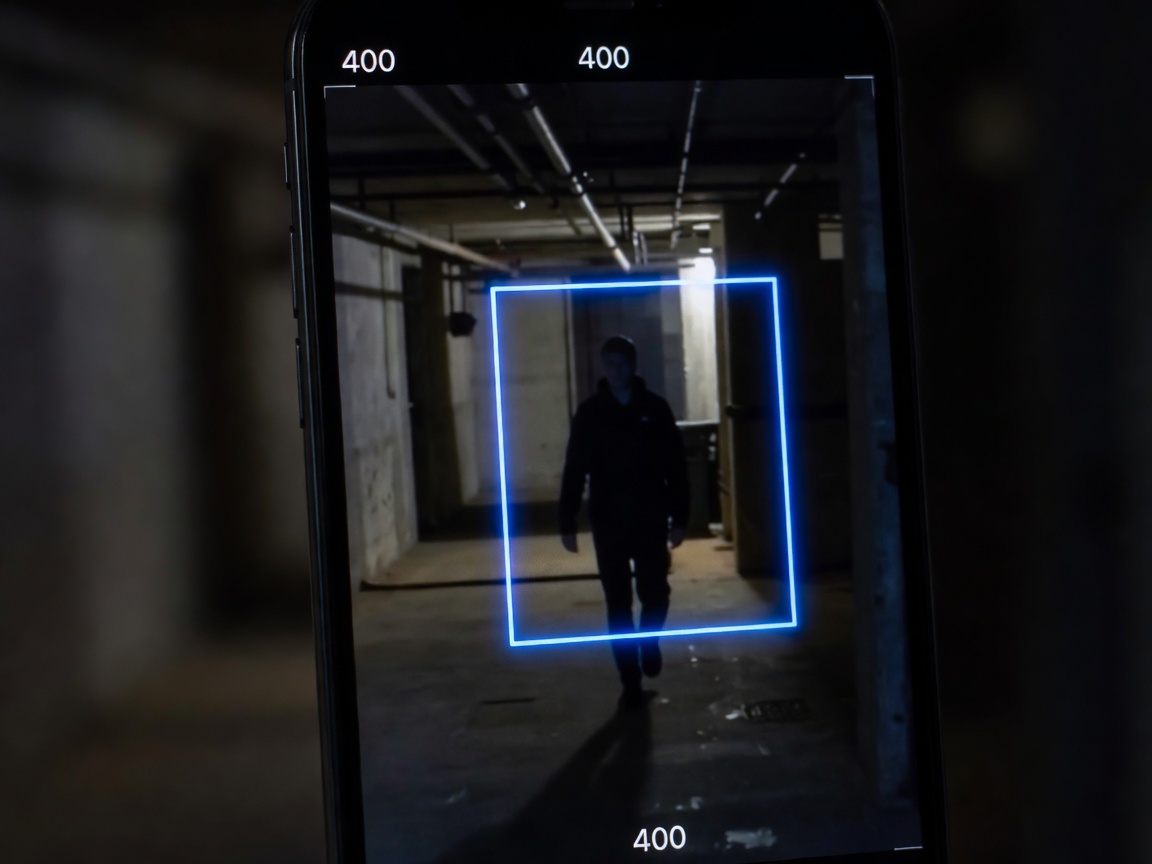
The era of the "dumb" security camera—a device that indiscriminately records hours of empty footage or alerts you every time a shadow shifts across the driveway—is coming to an end. The introduction of machine learning algorithms and deep integration into centralized smart home ecosystems has transformed surveillance networks from passive recording devices into proactive security platforms.
The Problem with Pixel-Based Motion Detection
Historically, cameras relied on rudimentary pixel-change detection. If a certain percentage of pixels in the frame shifted color or contrast simultaneously, the camera assumed motion had occurred and triggered an alert. This resulted in an agonizing volume of false positives. Headlights sweeping across a wall, a tree branch blowing in the wind, or heavy rain could generate dozens of notifications per night, leading users to ultimately ignore the system—a phenomenon known as "alert fatigue."
Enter Edge-Based AI Analytics
Modern IP cameras are equipped with internal neural processing units (NPUs) capable of running computer vision algorithms directly on the device (known as computing "at the edge"). Instead of merely seeing shifting pixels, the camera recognizes shapes and patterns.
- Human Detection: The algorithm identifies human silhouettes and gaits, allowing you to filter out cats, dogs, and deer. You can configure the system to only alert your phone if a person crosses a specific digital line on your property.
- Vehicle Identification: Systems can distinguish between a person walking and a vehicle pulling in. Advanced analytics can even log license plate numbers (ALPR - Automatic License Plate Recognition) or identify vehicle color and type.
- Package Detection: Specialized porch cameras are trained to recognize the distinct shapes of cardboard boxes, alerting you the moment a delivery is left, and notifying you again if the box is subsequently removed.
Ecosystem Integrations (Alexa, Google, HomeKit)
A camera's utility is multiplied when it can communicate with the rest of a building's infrastructure. Integrating surveillance feeds into standardized ecosystems unlocks complex automation routines.
Voice Assistants & Smart Displays
Integration with platforms like Amazon Alexa or Google Assistant allows for seamless video routing. A command such as "Show me the backyard" pulls the camera feed directly onto a kitchen smart display or living room television. When a smart doorbell is pressed, the feed can automatically interrupt a streaming service to show you who is at the door.
IFTTT & Automation Rules
By using trigger events, cameras can initiate physical world actions:
- Lighting Triggers: If a driveway camera detects a person (not a raccoon) between midnight and 5:00 AM, it can automatically command the exterior smart floodlights to turn on at 100% brightness.
- Lock Management: A trusted facial recognition event can potentially bypass an alarm keypad or unlock a deadbolt, though security professionals recommend keeping physical access controls strictly separated from visual recognition out of an abundance of caution.
- Audio Deterrence: When a perimeter line is breached by a vehicle after business hours, the system can trigger a smart speaker to play a pre-recorded warning message.
Privacy Considerations of AI
While AI features are incredibly powerful, they require careful configuration. Cloud-based AI (where video is sent to a remote server for analysis) requires significant bandwidth and places raw footage in the hands of a third party. On-device AI (edge computing) resolves this by processing the analytics locally within the camera hardware itself. The camera only transmits the metadata (e.g., "Person detected at 2:04 PM") and the alert, keeping the video feed secure on the local network.
When selecting a smart camera system, prioritizing edge-based processing over cloud-based processing yields faster alert times, lower bandwidth usage, and a fundamentally more secure data topology.